
by Shane Thomas Follow @tokenbg
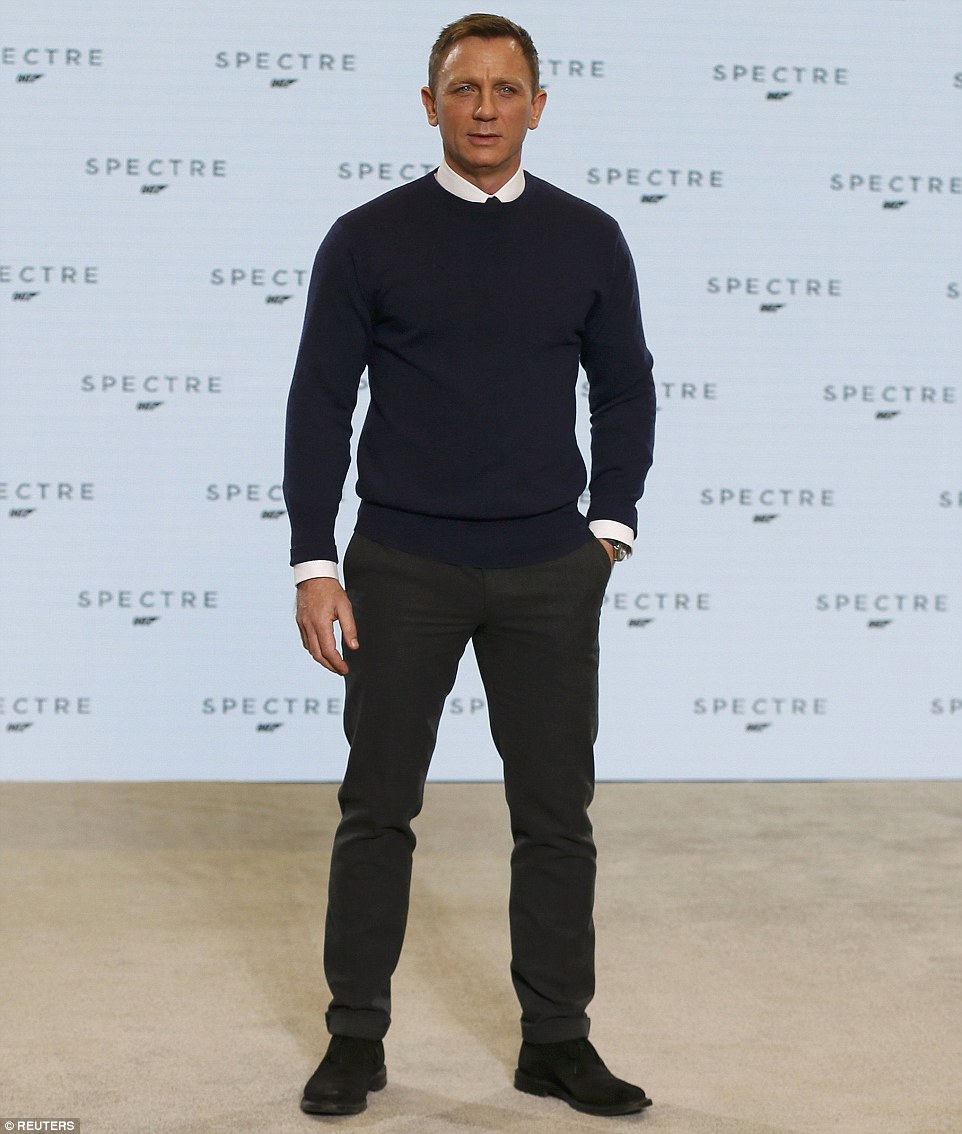
A Scotsman, a Welshman, and an Irishman walk into a casting call. No, it’s not the start of a joke, but a roundabout allusion to James Bond. The latest 007 adventure, Spectre, has hit our cinemas, no doubt to make a shedload of money[1], but a sidebar from the media circus around any Bond film is the current incumbent, Daniel Craig implying he may have had his fill of the franchise, potentially leaving the the role of the world’s most iconic assassin vacant.
Whenever talk of the next Bond is raised, one name regularly mooted as a possible replacement is Idris Elba.
Sony Pictures were not the first to spot that Elba could be a decent fit to play Bond, and once their view was publicly disclosed, the attendant influence of an established Hollywood studio made this opinion tougher to discredit.
But while it’s an exciting prospect, I suspect it’s an unlikely occurrence. Simply put, any person hired to play the role has to commit roughly 10 years of their career to the franchise (over the course of probably three to four films). Elba is 43, and the next Bond movie won’t be until 2017 at the earliest. So he would be well into his 50’s by the time his hypothetical tenure came to an end.
And yes, Roger Moore played Bond into his late 50’s, but by that time, he filmed about as many action scenes as I did. These days, the role requires a discernibly muscular and virile actor, one who could credibly take down anyone in a fight. This isn’t to impugn people in their 50’s as decrepit, just that it gives the producers an easy excuse to not cast him.
But I digress. Despite Elba reportedly being no longer interested in the role, the notion of him becoming 007 is a discomfiting prospect for some, and we should look at why.
James Bond. There’s few things more quintessentially English. The character may have strong links to Scotland, but Bond is symbolic of dominant British culture, the heart of which is England[2]. And yet, look at the roll call of actors to play the part: Sean Connery; George Lazenby; Roger Moore; Timothy Dalton; Pierce Brosnan; and Craig. Two Englishmen out of six.
It was Moore who obliquely revealed the unease around Elba as Bond when (subsequently stating he was misquoted) he was reported as saying Elba wasn’t “English English” enough for the role.
What’s particularly piquant about that comment is before Elba achieved notoriety, he had a supporting role in a Channel 4 drama called All In The Game. Starring Ray Winstone as a football manager as profane as he is unscrupulous, it contains a scene where Winstone implores the chairman of the club to sign a promising young talent, dubbing this player a potential “white Pele”. When Elba’s character says that the player is black, Winstone clarifies that he means, “…white in the terms of being English, obviously.”
While some cling to the comforting notion of Britain – and England – as a cultural melting pot, this isn’t a case for large swathes of the country. In and of itself, this isn’t a problem. But it is a problem when such optics are used to underscore an understanding of what delineates Englishness.
The possibility of a black James Bond plays into an atavistic terror this country has of becoming less white. But if England wants to be an inclusive place, then it has to break away from the stereotype of a land where its environs are bucolic, and its inhabitants are white.


Both blackness and Bond are associated with sex, cool, and violence, but another key aspect of Bond is his cunning and intellect, confronting cinema audiences with a black protagonist who isn’t just tough, but smart.
This rendering of Bond matters because of the societal importance of our popular fictional mainstays. These are characters that audiences can identify with, and live vicariously through. Whether it’s Bond, The Doctor, or Cookie Lyon, a fictional hero can be both a mirror and an aspiration for our wider society, as well as speaking to our internal hopes, ambitions, and anxieties.
An additional factor here is the notion of black heroism on screen. One that is often framed under the cloud of suffering: David Oyelowo in Selma; Michael Clarke Duncan in The Green Mile; Sidney Poitier in pretty much everything.
Has there been a cool mainstream black hero in Hollywood films since 1980’s era Eddie Murphy? There are promising signs ahead with John Boyega in the new Star Wars movie, or Chadwick Boseman as Black Panther. But a black James Bond could have an equally profound effect on the possibilities of what black actors can be on screen.
It’s for all these reasons that the prospect of a black James Bond (much like the casting of Boyega in Star Wars) jars for some[3]. It goes against so much that we’ve been conditioned to expect from mainstream Western storytelling.
I’m not the first to observe that little about Bond is heroic, as he functions as a tool for many of the ugliest building blocks in our world, such as misogyny, patriarchy, and imperialism. It would be astigmatic to think that altering his race would change the dynamic of the character.
But Bond’s significance in the pop culture firmament means he’s a cultural barometer for where England is at. Fans are precious over Bond because he is a precious part of English identity. Broadening the optics of the character could also broaden the optics of what society deems as English. And that would make for a hero that would be a lot easier for me to get behind.
[1] – In any year where this wasn’t being released, it would have a decent chance of being the biggest box-office draw of 2015.
[2] – Note this scene from Goldeneye. Sean Bean doesn’t say, “For Britain, James”, but “For England“.
[3] – Bear in mind, this pushback is just for the casting of cishetero males. Where does that leave black actors who are women/trans/queer?
ll work published on Media Diversified is the intellectual property of its writers. Please do not reproduce, republish or repost any content from this site without express written permission from Media Diversified. For further information, please see our reposting guidelines.
“Two Weeks Notice” is Shane Thomas’s bi-monthly column encompassing “Pop culture to sport, and back again“ Shortlisted for EI Arts, Culture and Entertainment commentator of the year
Shane can be found on Twitter, both at @TGEISH and @tokenbg (and yes, the handle does mean what you think it means).
If you enjoyed reading this article, help us continue to provide more! Media Diversified is 100% reader-funded – you can subscribe for as little as £5 per month here
MORE BY SHANE THOMAS
- The Problem with White Liberals (mediadiversified.org)
- Whitewashing a Reputation (mediadiversified.org)
- “Thugs, skets, and thots” There is no ONE black story (mediadiversified.org)
- The Takedown of a Pick-up Artist (mediadiversified.org)






 Media Diversified
Leave a reply to Shane Thomas Cancel reply