
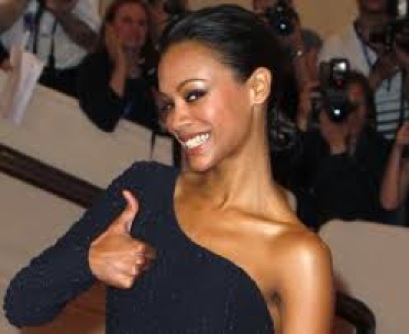
Luis Suarez, Halle Berry, Zoe Saldana, Tiger Woods, & racial identity.
by Lee Pinkerton and Samantha Asumadu
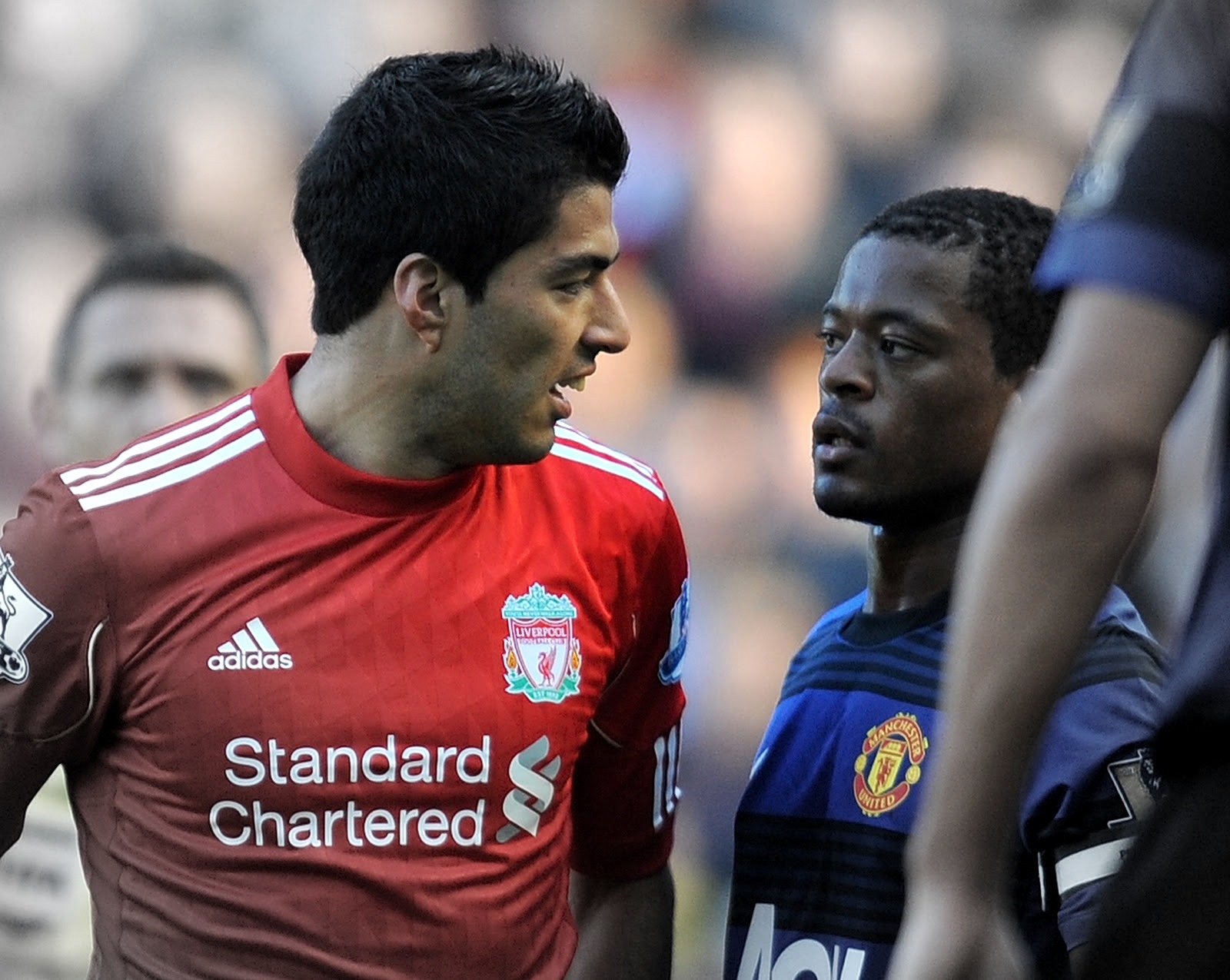 In January 2012 Liverpool player Luis Suarez was given a £40,000 fine for calling Man United player Patrice Evra ‘a negrito’. Suarez claimed that he meant no offence by it, since in his country ‘negrito’ is a term of affection. No doubt like ‘sambo’ used to be in this country!
In the same month Chelsea and England captain John Terry was charged with racially abusing QPR defender Anton Ferdinand. TV pundit Alan Hansen had to apologise for using the term ‘coloured’ when discussing the issue. But former Prime Minister’s daughter Carol Thatcher made an even bigger gaff when she referred to mixed-race French tennis player Jo Wilfried Tsonga as a ‘frog golliwog’, apparently thinking that this was perfectly acceptable. Some white people of a certain age still think that terms like ‘golliwog’ and ‘coloured’ are OK, but they tend to be old people who still refer to Muhammad Ali as Cassius Clay, and the radio as ‘the wireless’.
In a recent BET interview, when Zoe Saldana was asked about her racial identity she said:
I find it uncomfortable to have to speak about my identity all of the time, when in reality it’s not something that drives me or wakes me up out of bed everyday….I can’t wait to be in a world where people are sized by their soul and how much they can contribute as individuals and not what they look like….I literally run away from people that use words like ethnic. It’s preposterous! To me there is no such thing as people of color cause in reality people aren’t white. Paper is white. People are pink. So to all of a sudden leave your household and have people always ask you, “What are you, what are you” is the most uncomfortable question and it’s literally the most repetitive question.” Zoe Saldana
 ‘What’s Wrong With the Term ‘Person of Color’ Saldana is an up and coming actress and the protagonist in a new film about Nina Simone, so a lot of attention is being paid currently to her comments on race and racial identity. From the essay ‘I Spy Stupid: Zoe Saldana Thinks There’s “No Such Thing” As People of Color?’
We usually hear this silly post-racial rhetoric from white people who think it makes them sound progressive and hip to say they don’t “see race”–despite its empirical falseness and inherent denial of the history, culture, policies, and personal realities inextricably attached to race.
But its particularly interesting when a person of color–who is undeniably affected by said color–embraces color-blindness. Especially someone like Zoe Saldana, a celebrity and actress, whose craft is entirely dependent on visual aspects–namely, her body.’ Erica Brazelton

You have to feel sorry for white people. They don’t know what to call us these days. It used to be ‘coloured’, then it became ‘Black’, then ‘Afro-Caribbean’, then ‘African-Caribbean’. Now it’s ‘BME’. Poor white people, – they just can’t keep up. Everyone should know by now that the term ‘nigger’ is offensive and should never be used, but white people get confused when they hear their Black friends using the term amongst themselves as a term of affection. Does that mean that they are also allowed to use it, as long as no offence is intended?
Anyone who works with local authorities will be familiar with the term B.M.E. (meaning Black and Minority Ethnic). This is the current politically correct term to describe us Black folks, and anyone who isn’t white and English. Personally I don’t like the term – you’re reducing all these diverse races and cultures down to three letters – not even a word, but just three letters. It sounds like a disease like CJD, or H.I.V. or B.S.E. I prefer the term Black.
It began to replace the term ‘negro’ in the US in the 1960’s as the parallel between the words ‘black and white was meant to underscore the quality of the races. In the 90’s ‘Black’ was replaced by ‘Afro-American’ and then ‘African-American’. In 2001 even the word ‘minority’ was banned by the San Diego city council because it was deemed disparaging to non-whites. ‘No matter how you slice it, minority means less than’, said a Boston College official, where the preferred term is AHANA – an acronym for African- American, Asian, and Native American.
But let’s re-examine that term ‘Black’. It is a political term intended to unify that mixed group that white people throughout the hundreds of years of slavery, imperialism, and colonialism had tried to divide and conquer.
According to the racist ideology that was adopted in the Caribbean, North America and South Africa, (and still evident in the colonised minds of Black folks the world over) the lighter/closer to white you were the better, exemplified in the poem ……….
If you’re white you’re alright, if you’re brown stick around, but if you’re Black get back’!”
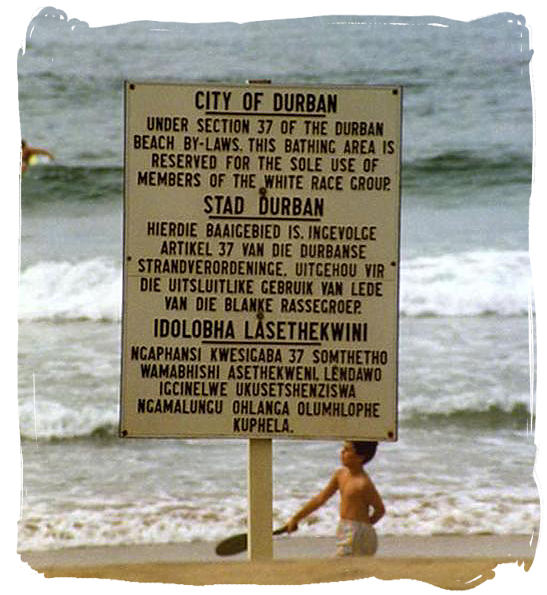
In South Africa’s Apartheid system, people were divided into Blacks, whites and Coloureds. In North America they went even further, dividing slaves and their descendants into ‘Negro’, ‘half-caste’, ‘mulatto’, ‘quadroon’, and ‘octaroon’ depending on how much white blood they had in them. The one thing that they could never be was white, as that would give them the same property rights as whites and would run the risk of the slave master’s illegitimate children claiming their share of the master’s estate.
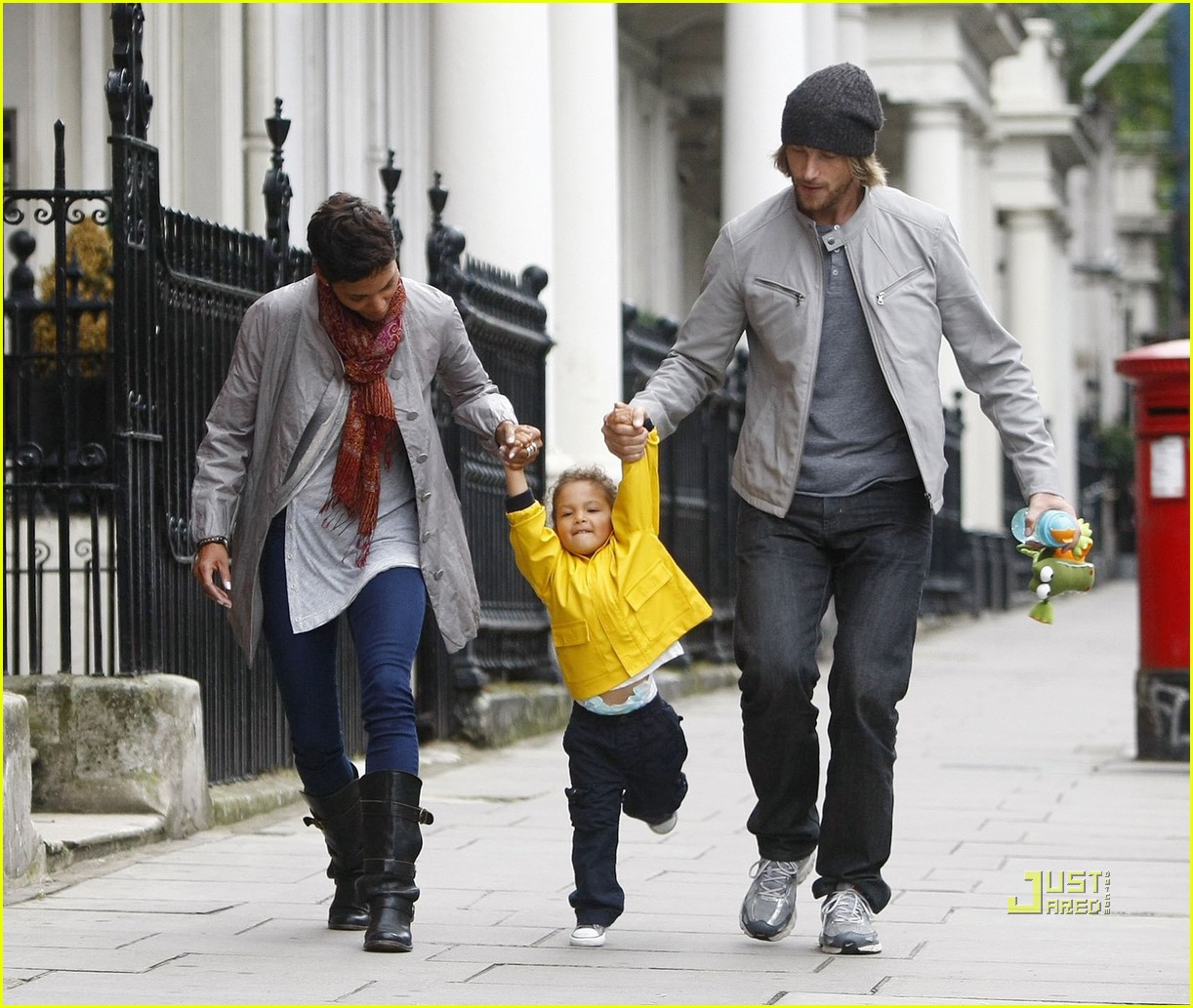 So black people were kept as second class citizens with the ‘One Drop’ law – meaning that if you had just one drop of Black blood in you, you were counted as Negro. This has led to the strange modern day phenomenon of celebrities of mixed parentage like Mariah Carey identifying themselves as Black, and actress Halle Berry, (who herself has one black and one white parent) saying that she will raise her daughter (who’s father is white) as Black.
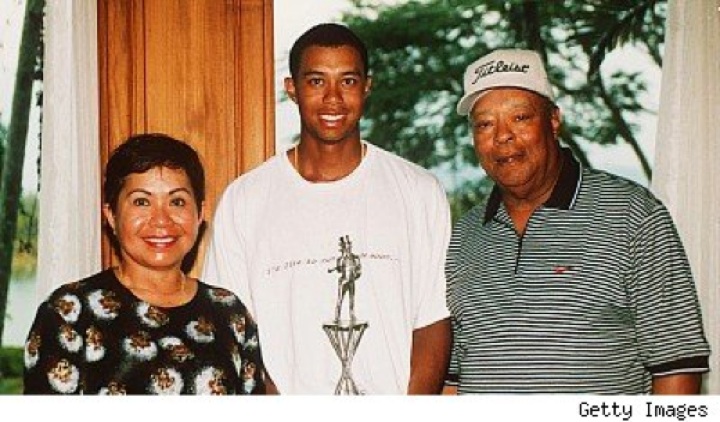
By ‘claiming’ Black rather than trying to ‘pass’ for white (which presumably would lead to an easier life), these people of mixed parentage are displaying their allegiance. Unlike Mariah, Tiger Woods resisted attempts to categorise him as Black, preferring the term ‘Cablinasian’ to reflect the full diversity of his parents multi-cultural ancestry. (His father Earl was of African-American, Chinese and Native-American ancestry, his mother Kutilda is of Thai, Chinese and Dutch descent).
 These recent changes in terminology are supposedly for greater accuracy, since Black people don’t actually have Black skin, just as Chinese people are not actually yellow, and Red Indians are not red or even from India! By using the term ‘Native-American’ instead it shows who was there first. The term ‘African-American’ shows that the Black people in America actually had a history that pre-dated slavery. However this quest for accuracy has not sent people scrambling for a more accurate term for the descendants of Europeans. Perhaps the fact that you never hear the term ‘European American’ or ‘white Australian’ is indicative that despite historical facts to the contrary, the descendants of white European immigrants are viewed as the natural inhabitants of these countries.
The fact is that people are so sensitive about finding politically correct terms for ethnic groups is because we are the oppressed we are the party. White people don’t care what they are called because they are the dominant group with all the power. They control the political agenda, the allocation of resources, the educational curriculum, and yes even the use of language. Fiddling around with the labels we have is not going to change that.
Traditionally a universalist, as in: “Mama, why are we brown, pink, and yellow, and our cousins are white, beige and black?” Ans. “Well, you know the colored race is just like a flower garden, with every color flower represented.” Alice Walker
Lee Pinkerton was born in London, the child of Jamaican and Guyanese immigrants. After studying Sociology and Psychology at University he spent the 90s as a music journalist, first as a freelancer for magazines such as Mix Mag, Echoes, and Hip-Hop Connection and then as the Arts Editor for ‘Britain’s Best Black newspaper’- The Voice.
In addition to this he also wrote a book the Many Faces of Michael Jackson published in 1997.
His latest book The Problem With Black Men examines the causes of the social problems facing Black men in Britain and America today.
He can currently be heard as a regular on-air contributor to the ‘ACE show’ on BBC Radio Derby and his political polemics and cultural criticism can be read on the blog-site The Black Watch and his daily musings on Twitter @_Runawayslave.


 Media Diversified
Leave a comment