
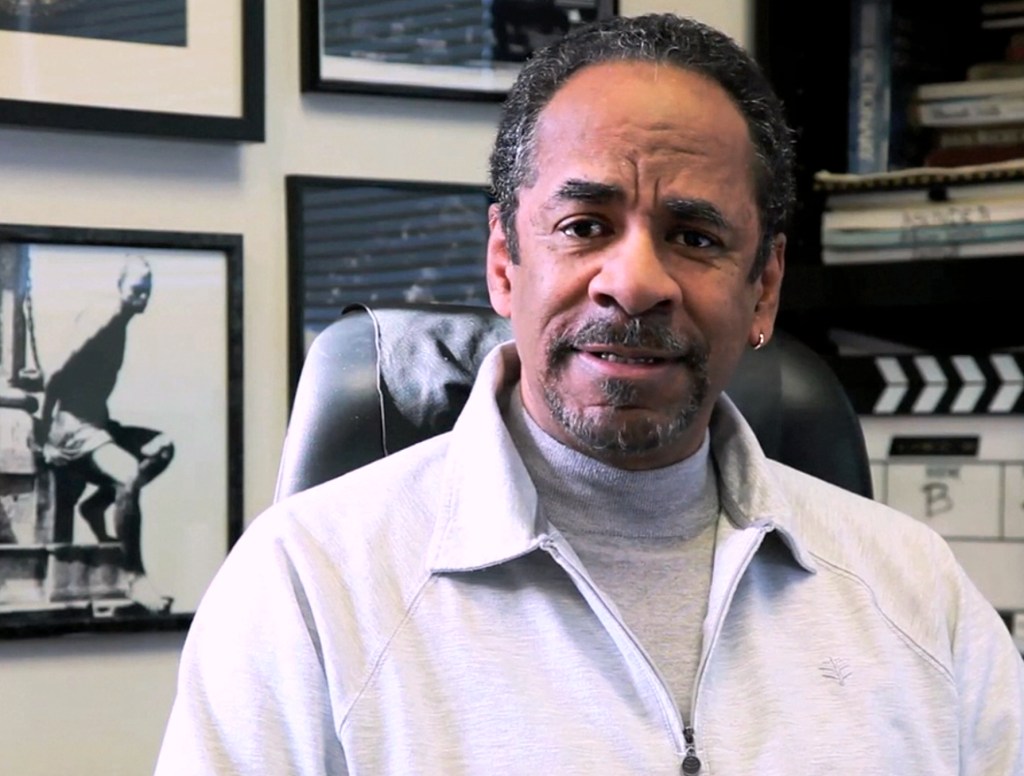
Sister Sister actor Tim Reid talks about his move behind the camera
by Zaneta Denny Follow @zanetadenny
Growing up one of my favourite shows was the American sitcom Sister Sister, about two African-American teens with adoptive parents. Regular laughs and relatable family dramas encouraged me to tune in weekly with my own family. Sister Sister was part of a slew of nineties African-American sitcoms that provided positive, fun representations of black family life, a stark contrast to the sombre and often criminal images of black people in UK prime time. Dare I mention The Bill?
Actresses Tia and Tamera Mowry are now both married and still enjoy the limelight in Hollywood, occasionally popping up in the Daily Mail’s ‘sidebar of shame’ but the nineties child within me wondered what on earth happened to their screen parents?
I’ve become a cinema buff over the years, nursing an interest in black film. To my surprise, my British Film Institute (BFI) circular informed me that their on-screen father, Ray Campbell aka actor Tim Reid was in London to offer his creative expertise for a film workshop. How random. I knew I had to meet him and pick his brains. Why come all the way to London town to offer subsidised film workshops (only £100 a pop) to aspiring ethnic minority filmmakers?
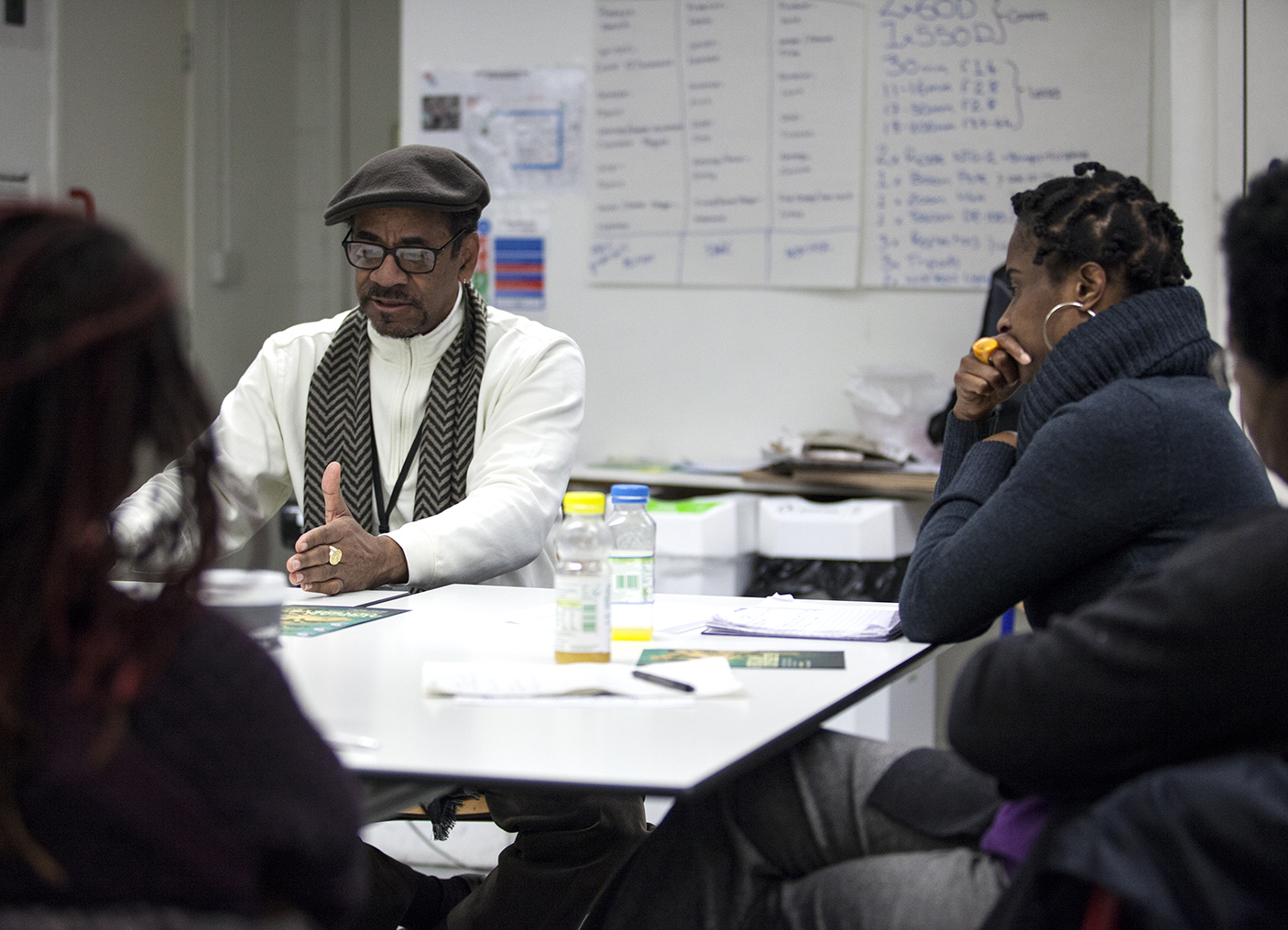
Sitting down with him in the swanky BFI restaurant, Reid offloaded his testimonial,
“I left Hollywood as some would say at the top of my game. I’ve been nominated for a couple of Emmys, I had two shows back to back in prime time television that I co-created.
I left because I felt that if I were going to tell stories that I was inclined to tell, I had to be more in control of the image and the only thing to do was to take my money and put it where my mouth was.”
As a successful actor in the 90s, a period many black TV geeks and cineastes look back on with nostalgia, was it all that bad? He revealed a stunning fact about his hallmark show, Sister Sister. It was written mostly, by white writers.
“The head of the show was always a white producer,” Reid explains. Although the executive producer of the show was Michael Jackson’s former tutor, Suzanne de Passe, an African-American who he calls “one of the most underlooked underrated creative people in the history of Hollywood”.
“It’s changed a little bit in the last few years,” he continues “and there are more black writers now but still the predominantly successful comedies even the ones that are predominantly black are written by mostly white writers.” This is a shock to me, perhaps I’m goggled-eyed at the existence of black Hollywood. I mention lady of the moment, Scandal creator, Shonda Rimes, he applauds her work and her attempt to be innovative but says that show business in America generally conforms to a status quo, which black writers go along with. “We are basically consumers of our own waste in Hollywood,” Reid says, referring to African-Americans. “We tend to write to be brought into the system, so we tend to write to please people who are making the decisions, it’s not everyone but that’s usually the attempt in the beginning.’
“I think we’re naive. Why would anyone regardless of race be interested enough to tell your story if you’re capable enough to tell it yourself?”
With this mandate in mind, he founded New Millennium Studios, the first full-service studio to be built and owned by a black man since Oscar Mischeaux (America’s first black independent filmmaker) and the Legacy Media Institute. He quite plainly admits that that he hasn’t been as successful as he had hoped because of his difficulty adapting to the digital-internet ready world, convinced his analogue studio would stand the test of time. “I’m older now, wiser. You do things in a way to prove a point rather than do them because you’re right for your vision, ” he says.
Life on the margins of Hollywood can be tough. Despite his regrets he has been able to produce films he knows would not have happened without his creative energy, such as Once Upon a Time When We Were Coloured starring Phylicia Rashad and the late Al Freeman Jr. His film efforts were part of the resurgence of interest in 1920s filmmaker Oscar Mischeaux which ultimately led to a post-humous star on the Hollywood Walk of Fame.
Reid’s studious appearance (he reminds me somewhat of my own father) and chirpy countenance bears no trace of his rough Virginia upbringing. He seems genuinely surprised to be alive. “Of the eleven kids I ran around with,” he says, “only two of us survived being 21. I didn’t know who my father was until I was nine, I came from a broken home, a bastard child. I was shipped around lived with my grandmother, kind of wild, didn’t have any structure in my life.”
Somehow he managed to find his way to Norfolk State University to study business administration and pursued acting full time after his first marriage dissolved. He has since been married to Daphne Maxwell Reid, the actress who played Will Smith’s mother in the Fresh Prince of Bel Air for nearly thirty-two years, together they offer advice and in-kind services for independent filmmakers. Their latest supported project, Troop491: the Adventures of the Muddy Lions, is a coming-of age film about black boy scouts, written by Virginian, Praheme Praphet.
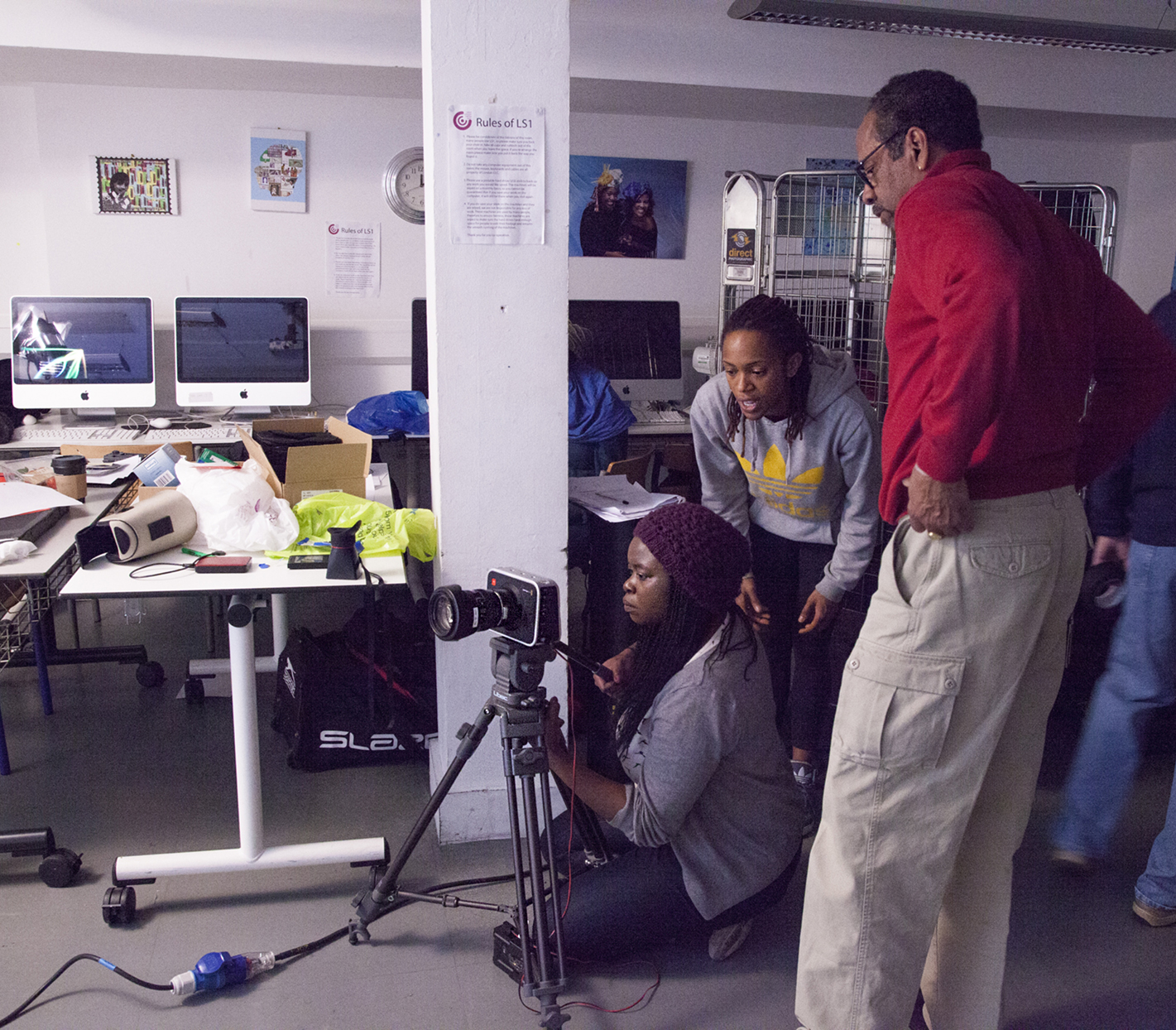
Reid’s rags to riches story is what perhaps, gives him such a realist view of the world. He says, “You can find an excuse or a reason to be black and out of the system at any point of your life, at any point in history.” True. He spends half the interview talking about black figures, Angolan warrior princess Nzinga who defeated Portuguese colonizers,19th century black boxer Bill Richmond, who thrived in explicitly racist colonial times. In this regard he shares a lot in common with Pharrell Williams’ controversial school of blackness. What is often called the New Black (or The: Nublck) approach: no to victimhood, yes to hard work and pulling your socks up.
“I find it difficult to look at young people now because I’m older,” he says, mystified. “They speak as if they’re in a part of their life that has very little hope and I’m thinking, don’t you understand, this is your world? You shape the world, I don’t live in it, now is your time.” He is in full throttle educator mode. “That doesn’t mean I’m ready to lay down and roll over, I’m going to do what I do,” he continues, “but the world is for you and if you don’t approach it that way and you allow a bunch of old people sitting in Parliament or a bunch of old people in America who control TV and movies to dictate what you are able to do then you are a fool.”
The short film produced by his course trainees focused on the suicide of a black model-fashion editor Nula, guilty about her portrayal of herself and other black women. It was both disturbing and moving. The audience were silent at the end. At the BFI screening, Reid says, “So much entertainment thrown at us, we forget the power of it.” That is what his organisation Legacy Media Institute is about, a revaluation of the power of film to tell authentic stories Hollywood won’t pick up on.
All work published on Media Diversified is the intellectual property of its writers. Please do not reproduce, republish or repost any content from this site without express written permission from Media Diversified. For further information, please see our reposting guidelines.
Zaneta Denny is a London-born writer and poet of Caribbean-Guyanese origin. She studied European Studies with French at King’s College London. Her blog, Creolita Culture, explores hidden narratives from the African and Indian Diaspora. Through her work she hopes to halt the negative patrimony of colonialism and open the eyes of those in the West to injustice. In her spare time she consumes spoken word, bubble tea and foreign film. She works for a global publishing house. Follow her @zanetadenny
Related articles
- Doing the Right Thing: Black Film and TV in a Biased World (mediadiversified.org)
- Black Women at the Movies: The New ‘In’ Thing? (mediadiversified.org)
- A Forgotten Part of British History: Belle (mediadiversified.org)
- Questioning Pharrell (forharriet.com)










 Media Diversified
Leave a reply to Marie Bano (@mssueme) Cancel reply