

by Maya Goodfellow Follow @mayagoodfellow
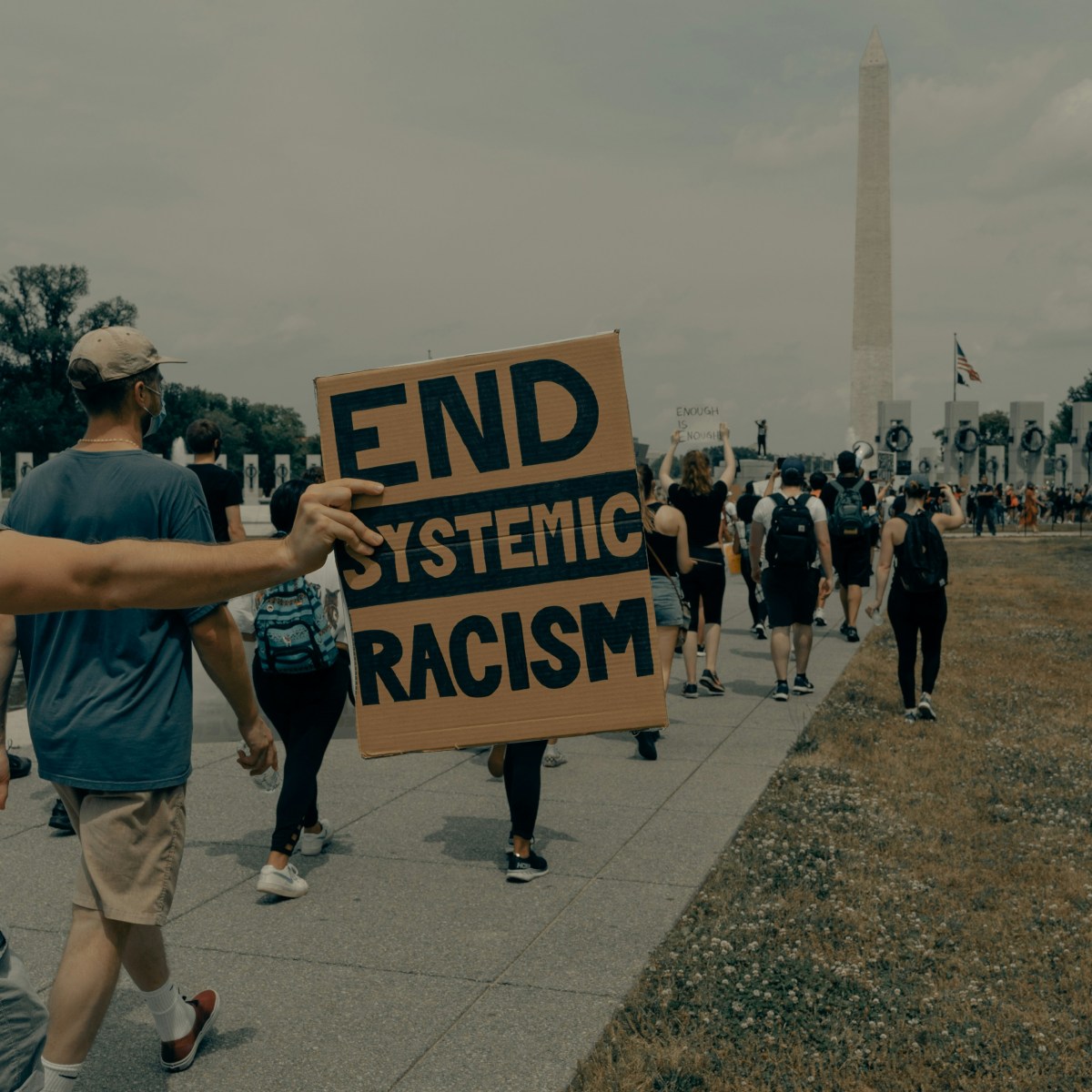
“I’ve never felt less welcome in this country” – these are the terrifying words I’ve heard far too many times from migrants and UK-born people of colour in the run up to the EU referendum. Open anti-migrant hostility has been embraced; let loose by a referendum designed to placate a fractured Tory party. In a country that takes pride in being “tolerant”, one of the central messages of the campaign became: Foreigners might contribute but “they” are to blame for our problems – we need our country back. Now with a Vote to Leave it has been legitimised and this country has been cleaved in two.
Let’s be clear: there was no significant left wing campaign to leave the EU. Regardless of the varied reasons Brexit supporters may have had to vote to leave, this is a victory that legitimises the xenophobia and hate of the Leave campaign. Nigel Farage, who has been furiously peddling the wheels of the Brexit machine for some time now, has already claimed it as validating his toxic anti-immigration worldview. The UKIP leader is the face of Brexit. His hateful, divisive and xenophobic politics have been supported in a way like never before”. In France, leader of the far-right wing part, Front National, Marine Le Pen has celebrated the result – these are not the kind of people you want endorsing you.
In recent years anti-immigration feeling has intensified and has been emboldened by a virulently racist Leave campaign. Polls suggest unhappiness with the “scale of migration” led a lot of people to vote “out”. Migrants have been weaponised by politicians; blamed for active decisions made by the government to implement unnecessary austerity measures that have destroyed public services. Migrants are also blamed for the choice of successive governments of the past 50 years to turn their back on investing in UK industry, leaving this country with low-paid, insecure jobs. People are angry because they’ve been told repeatedly that migrants are taking their jobs and their country away from them. Little does it matter this isn’t true, the narrative has been firmly established.
Beyond immigration, much of the information on the EU referendum has been partial and confused. With little robust education about the Union in schools or in public discourse, swathes of voters have been led to vote one way or another with few real facts about EU democracy or law-making at their disposal. Though the result is clear, this is not a positive state for UK democracy.
Among the many mistruths bleated loudly by both sides of the referendum, two lines spoke to the fundamental fallacies of the current state of UK politics: immigration is a problem and we need to take control of our borders. Both are wrong; people from abroad have not caused the UK’s social ills and the government already has authority over this country’s shores. But when people feel voiceless, insecure and powerless because of decisions made by politicians, they’re effective. What they do is fit the narrative that migrants are ruining this country and that there’s an ever-looming threat of invasion from the ‘other’, one we need political elites to protect us from. Intensified and hardened during the referendum campaign, this anti-migrant message wasn’t suddenly born in the past months; it’s one that’s been part of politics for quite some time now.
Politicians eager to win votes at any cost have cravenly legitimised this rhetoric. Stoking hatred and fear against migrants has long been a fallback tactic for the Tories. Fifty years before they cooked up a Zac Goldsmith-fronted London Mayoral campaign based on racial smears and stereotypes, the Conservatives ran a racist campaign in Smethwick during the 1964 election. They’ve driven vans plastered with the words “Go Home” through neighbourhoods and told the UK electorate that immigration needs to be reduced knowing full well that it can’t, won’t and doesn’t need to be. Until Jeremy Corbyn was elected leader, Labour was complicit; celebrating migrants’ contribution to society one moment, calling for controls on immigration and stronger borders the next. If you legitimise anti-immigration prejudice, you can’t be surprised when it sticks.
This referendum has expanded an already-existing crack in the political landscape – between pro- and anti-immigration voices. Politicians from both sides of the “debate” have poured water into this fault-line and simply watched as over time the liquid froze, making the chasm between reality and rhetoric even larger. The people who are sacrificed to this gaping abyss are migrants; dehumanised, demonised and voiceless they are blamed for the UK’s problems. The country may have voted to Leave the EU but it can’t claim to be “tolerant” and go on like this; as the dust settles, we cannot allow Nigel Farage and Boris Johnson to carry on as usual.
After despair, we need to organise and change the tune of UK politics.
All work published on Media Diversified is the intellectual property of its writers. Please do not reproduce, republish or repost any content from this site without express written permission from Media Diversified. For further information, please see our reposting guidelines.
Maya Goodfellow is a journalist and political commentator. She primarily writes about British politics and has worked as a researcher for a think tank. She also writes about international affairs, with a particular focus on conflict studies. Find her on Twitter: @Mayagoodfellow
If you enjoyed reading this article, help us continue to provide more! Media Diversified is 100% reader-funded – you can subscribe for as little as £5 per month here






 Media Diversified
Leave a reply to IS Cancel reply