
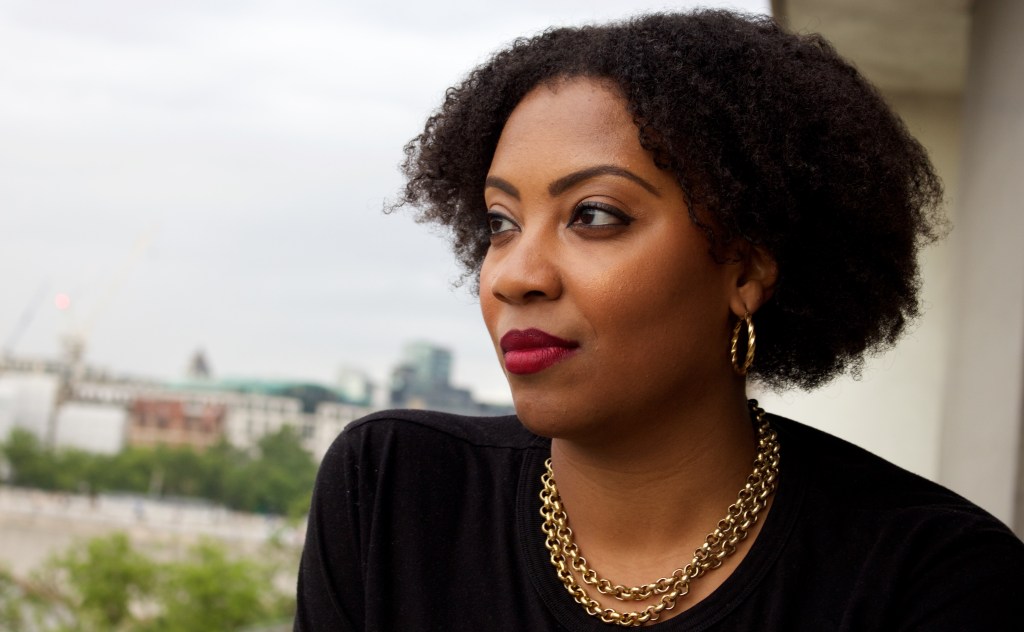
by Jendella Benson Follow @JENDELLA
“I hate how women think that they are doing me a favour by having sex with me,” he began. “What about me? My intimacy is just as valuable!” Aside from the bitter edge in his tone, I understood what he meant. I wanted to laugh and tell him that this was one of many reasons why he needed feminism. I wanted to tell him that it was patriarchy that told women that sex was some kind of trophy, a bargaining chip to manipulate men through their “uncontrollable” desire and need to penetrate. But I knew how he felt about feminism, and I didn’t have the mental energy to get into the back and forth. So I left it.
I hear or see complaints made by men about the nature of relationships and the sexual dynamics they find themselves in, and so often I want to tell them that “females” aren’t the problem, it’s patriarchy. But nine out of ten times the man complaining is so heavily invested in the oppressive imbalance of patriarchy in other ways, that I don’t really think they deserve an answer at all – if they’d even be open to it.
Because generally women bear the brunt of patriarchy, new feminist visions of love often focus on liberation for women from the sexism that throttles heterosexual relationships, but patriarchy, by its hierarchical nature, oppresses us all to some degree. And women can also be complicit in this as they buy into the restrictive “ideals” that patriarchy embodies and project those “ideals” onto their partners, defining appropriate and inappropriate forms of masculinity by the ficklest terms.
Men may reap certain privileges from the gender imbalance, but it doesn’t mean they are exempt from narrow paths of acceptance, and this toxic culture has rules about everything. There are expectations about how “real” men handle heartbreak (you get over it and stick your penis into the next willing woman), the appropriate noises to make during sex (no moans of ecstasy, please), and generally expressive emotion of any kind is frowned upon (don’t be too eager, avoid too much affection, and don’t you dare cry). Patriarchy even robs men of the simple joys of home life when it tells them that the home is the woman’s domain, nurturing children is a female concern, and the steadying comfort that can be found in long-term relationships is a prison that needs to be avoided for as long as possible. Feminism has long been accused of trying to destroy the family, but the burden of men as the overall provider keeps them out of the house working long and desperate hours, physically and emotionally disconnected from their partners and children. There are still many men who believe that they are only as useful as the balance of their bank accounts. And for those who dare to buck restrictive gender roles they may face the scorn of their peers and accusations of emasculation.
Perhaps circular discussions on social media about who should pay on a date, how much engagement rings should cost, or whether women should or should not propose are silent cries for help? Perhaps these are the first attempts at grappling with sexist socialisation that limits the possibility of mutually satisfying relationships? It’s a possibility, but since most of these discussions are derailed and never seem to break any new ground, I’ve completely disengaged.
However, it is clear when I talk to men I know on an individual level that they want to be in relationships with women who are ambitious, confident, self-reliant, and not ashamed of their bodies or their sexuality. The real question is whether the same men who want an empowered and liberated woman are willing to give up their own male privilege in order to facilitate that liberation. While equality is not a zero-sum game, misogyny and sexism cannot exist alongside the belief that women are actual people, with intelligence, agency and deserving of respect simply for the fact that they are sentient human beings. Furthermore, the ‘privileges’ afforded by patriarchy come with their own terms, conditions and potentially toxic consequences that we see explode time and again in male violence towards women and children, as well as other men.
It can be hard to imagine love and romance outside of sexist rules of engagement when that is all you’ve ever known, but so many of us are so dissatisfied with where things are at the moment, I can’t think of any logical reason to hold on to things as they are. New feminist visions of love not only allow for the empowerment of women but also create space to unshackle men from the confines of shallow masculinity. Not only is “feminism for everyone”, but feminist relationships can be liberating for all.
All work published on Media Diversified is the intellectual property of its writers. Please do not reproduce, republish or repost any content from this site without express written permission from Media Diversified. For further information, please see our reposting guidelines.
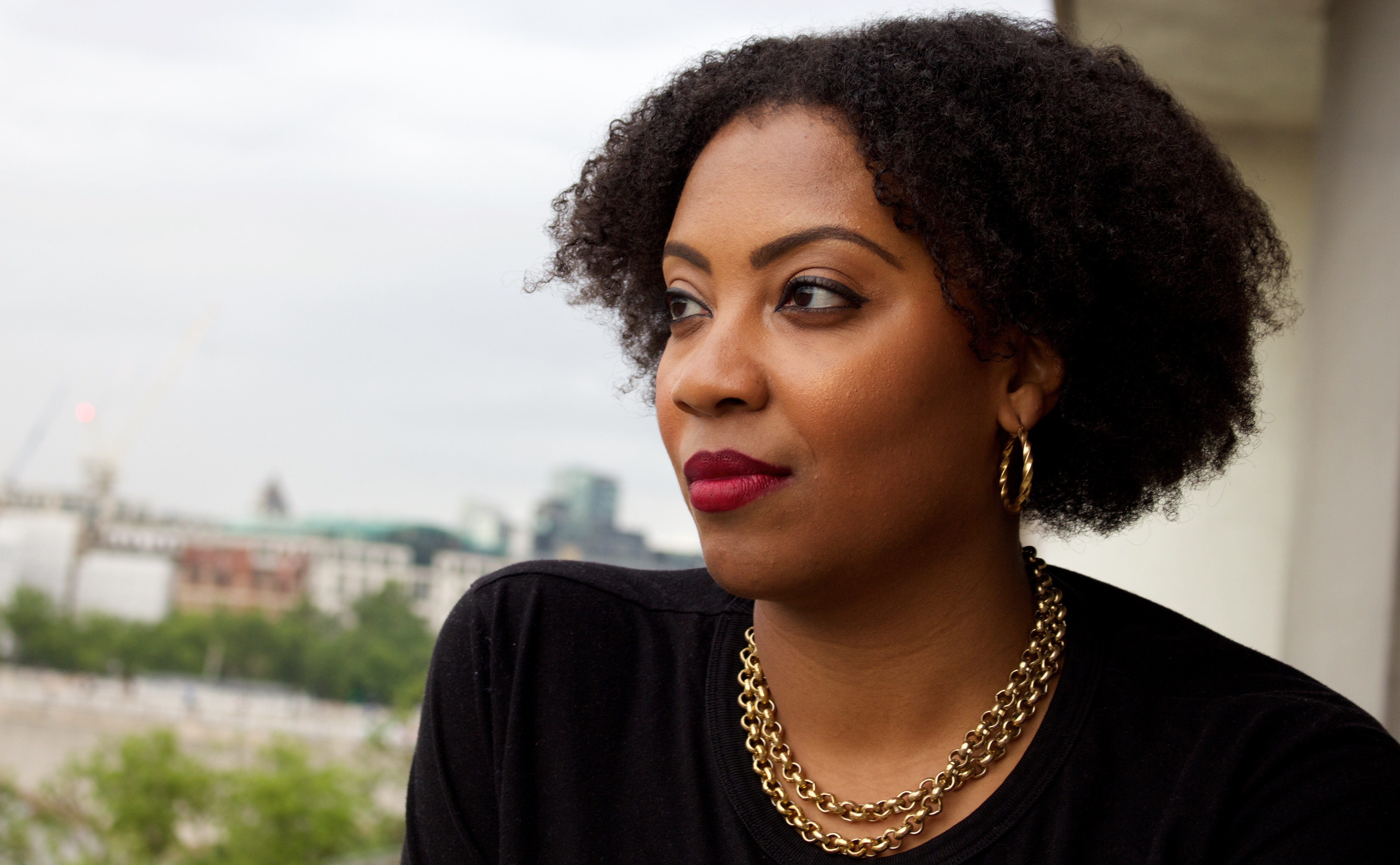 Jendella Benson is a photographer, writer and filmmaker based in London. She writes about issues of faith, race, identity, feminism and the arts for various publications online and offline, and is also an occasional public speaker and workshop facilitator. She tweets regularly from @JENDELLA and more of her work can be found at www.jendella.co.uk.
You’re Doing It Wrong is a bi-monthly column by Jendella Benson on parenting, relationships, and the kaleidoscope of small victories, anxiety and unsolicited advice that is modern family life.











 Media Diversified
Leave a comment