
by Chimene Suleyman Follow @chimenesuleyman
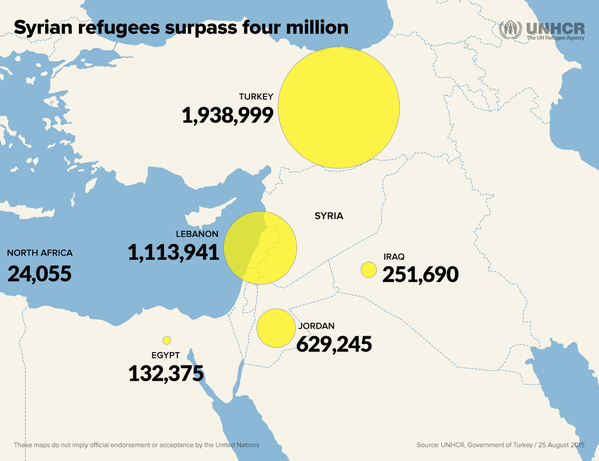
His name is Aylan Kurdi. Say it. He was three years old when he began his journey from the Syrian town, Kobani which has only known violence throughout Aylan’s short life. Amidst a Syrian civil war and a town besieged by Isis, Aylan’s family travelled thousands of miles through Turkey where they took a boat from Akyarlar. The boat — rather, an overcrowded dingy — would take them to the Greek island of Kos, only it capsized and Aylan, with his five year old brother, Galip and their mother, Rehan drowned with at least a dozen more. It was eventually Canada that the Kurdi family and others like them hoped to reach. Not for jobs, benefits, or social housing. Simply for a chance to live. Instead, on a Bodrum beach their bodies washed up and it was here that a photograph was taken of Aylan on the shore.
On the front page of The Independent, The Guardian, The Sun, Daily Mail, and The Times, the young boy lay face down in the sand, or carried by a Turkish gendarme. “If these extraordinarily powerful images of a dead Syrian child washed up on a beach don’t change Europe’s attitude to refugees, what will?” The Independent’s headline asked. “Tiny victim of a human catastrophe” from the Daily Mail.
There is a peculiarity to it. Memories are short. To this day much of the British press have riled suspicion and contempt towards refugees and Muslims, which has contributed to the depressing lack of aid and resentment shown to Syrians over the last few years.

On the same day as Aylan’s death, 200 refugees were pulled from a train by Czech police and, in scenes horrifyingly reminiscent of Nazi practice, were marked with numbers on their arms. It is not the first time comparisons have been made between current-day European treatment of Muslims and the rhetoric that surrounded Jews in the 1930s. Name-calling, such as bugs and rats (the language of extermination) circulates beside caricatures of long and hooked nose Arabs within a Europe that deeply resents those travelling to safety from persecution elsewhere. A worrying template is being followed.
In fact, if you are presented with press cuttings about refugees and asylum seekers from the 1930s and present day, then asked to identify which period they are from, the Refugee Council have some very disturbing realisations on the matter. Most people get it wrong. Britain — and indeed Europe’s — intolerance of refugees (if you haven’t noticed by now) is not new. It’s this that makes the published images of dead Syrians, Palestinians, Nigerians, and so on, feel a touch insincere. It begs the question, why was Aylan Kurdi’s life worth kindness from the press in death, but not in life?
I do understand the public’s desire to share it — the overwhelming urgency with which we must desperately provide evidence of tragedy, so those with a harmful stance on asylum can reassess. The logic is there: If you wish this child were still alive (why wouldn’t you), then you must welcome refugees so others like him may live. It makes sense. Only, it’s impossible not to be cynical of the click-bait like nature of it all. In particular from a British press, who have both danced lightly and bulldozed over the line, when presenting on the topic of immigration and Muslims. Are they nameless burden-on-society migrants; or refugees? Are they cockroaches who deserve to drown (as The Sun has published in the recent past, in an article still on their website); or are they the image of a dead child who should have legally been let into Europe to live?
Here is another question it seems the media are unsure of — Do we need to see photos of death to gauge the severity of it? Last week journalist, Alison Parker and her cameraman, Adam Ward were shot live on air by an ex colleague. Western media was clear on the message: don’t share the video or stills from it. News outlets across America and Britain urged social media users to share only the pictures they ran with. Smiling photos of the pair at work or with their partners, nestled into a happy time of life. Whilst unavoidable debates took place around America’s gun-laws, the discussions would not be allowed to interrupt our perception of Parker and Ward as people, not as tragic political examples.
Aylan Kurdi has been made an example of. As well-meaning as the photograph’s sharers may be, unfortunately it is not his life that we are urged to remember and consequently do better by, but a sensationalism of his horrific death.
On a television set in New York a blurry video of a policeman with his hand on a gun walked towards a car, the occupant a black man: “Did this officer kill this man? Stay tuned to find out.” I was slack-jawed. All across the black community and BLM movement people were grieving. In mainstream media their lives were entertainment. It was the cliff-hanger before the advert. The pivotal moment in the scene. Suspense. You didn’t want to miss this.
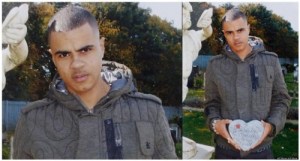 The videos of black people murdered by the police play news channels on loop. Alongside them still images of the victim are shown from photographs in which they look tense, brutal, aggressive. It’s hard not to think of the photo of Mark Duggan standing beside his daughter’s grave, cropped of all context so that his pensive look should now be displayed as ‘thuggish’. It is not smiling images of black and brown people at graduation and family-functions that we are urged to look at it. Cheerful, happy and successful is not how we are expected to remember them.
Of course, when black and brown people are unequivocally not to blame, they are sacrificed to victimhood. There is no middle ground. “If there’s one picture you share of Alison and Adam let it be this one of them accomplished, loved and alive.” No, this is not the case for people of colour. It is not three-dimensions we are afforded. Bleakly, we remain the poster-face for violence and death.
There is also the matter of consent. One which bypasses the family in its entirety. Does it matter that the family of Aylan Kurdi and many like him will come unwillingly, unprepared, across the image of their son, or brother, or wife? It should. For those of us that know what it is like — you must take my word — it is devastating. And where does the interaction with the image end? In 1964 a photograph of my grandfather’s tortured body was taken in Cyprus and immortalised in such a manner. Then In 2014 an American man entered a restaurant in Port Washington, on the other side of the world, wearing a t-shirt with the image of my grandfather’s corpse spread across his chest. The restaurant’s owner was shocked. “That’s my uncle,” he said, “Why are you wearing a photo of my uncle like that?”
The answer is always the same: to raise awareness for human rights. It may sound well meaning but don’t be fooled by it. It conveniently overlooks that it is never white bodies that are worn or shown like this. Simply put, the bodies of people of colour are commodified for white gaze. They are used to sell t-shirts and newspapers and memes and clickbait. Their function is political and to push agendas. We are never allowed to just live.
Aylan Kurdi’s father survives him. He will remember his son in the moments he was happy, smiling and loved. The narrative of Aylan Kurdi’s life should not be dictated by the British or European press. If the anti-immigration rhetoric and mistreatment of Muslim’s is playing on British minds, so be it. There is an intense level of damage they have caused, which needs to be undone. It will take vast commitment from the British press to do so and it will not go away with reactionary images.
Write to your MP and demand that our government accepts and helps refugees. Sign the petition circulating and others like it. Educate yourself on why people need to relocate urgently and why they are willing to risk their lives to do so. Challenge your colleagues, family, friends and the table sitting next to you in the pub who are unforgiving of people across the world moving with a right to live and without fear. Do not be complicit with silence. Do not hijack the image of someone’s death to make your point. Frankly, it is lazy of the media to use a powerful image like this in the hope it will overwrite the thousands of harmful words they have used to demonise Aylan Kurdi and his family when they lived. We all bleed the same. We do not need to cut people of colour open to believe it.
Chimene Suleyman is a writer from London of Turkish / Middle Eastern heritage. She writes opinion pieces, contributing to The Independent as well as regularly featured writing for online blog and events organiser Poejazzi. She has represented the UK at the International Biennale, Rome 2011 with spoken word. Her poetry collection “Outside Looking On” published by Influx Press is out now. She collects photos of Canary Wharf. Find her on Twitter: @chimenesuleyman
More by Chimene Suleyman
- The Sinister Abuse of Refugees at Yarl’s Wood
- It’s Time To Talk About Why Our Young People Turn Against Their Country
- ‘Defining’ Terror, and Why ISIS Suits the West
- Cultural Appropriation: The Fashionable Face of Racism (mediadiversified.org)
If you enjoyed reading this article, help us continue to provide more! Media Diversified is 100% reader-funded – you can subscribe for as little as £5 per month here


 Media Diversified
Leave a reply to giliell Cancel reply